Overview

Welcome to Ruaha National Park, Tanzania’s largest national park and a true wilderness paradise. At Tanzania Destination, we invite you to explore a land of rugged hills, sweeping savannas, ancient baobabs, and winding rivers. Ruaha is the ultimate destination for those seeking authentic, uncrowded safaris, dramatic landscapes, and some of the best wildlife viewing in East Africa.
Why Visit Ruaha?
- True Wilderness: Expansive, remote landscapes with few other tourists—perfect for guests who crave solitude and discovery.
- Predator Paradise: Exceptional lion and leopard sightings, frequent wild dog encounters, and strong cheetah presence make Ruaha a top destination for big cat lovers.
- Elephant Encounters: Large herds gather along river valleys and floodplains, creating unforgettable photographic moments.
- Diverse Habitats: From rocky outcrops and miombo woodlands to the Great Ruaha River, every day brings new scenery and wildlife.
- Authentic Activities: Enjoy walking safaris, night drives, seasonal boat trips, and private photographic safaris in a low-impact setting.
Landscape & Ecology
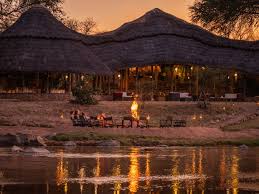
Habitats & Rivers
- Miombo and acacia woodlands, open savannas, and rocky kopjes provide diverse backdrops for wildlife.
- The Great Ruaha River and its tributaries are lifelines, attracting animals during the dry season and creating lush floodplains.
- Elevation changes create microhabitats, supporting a wide range of species and seasonal movements.
Seasons
- Dry Season (June–October): Prime wildlife viewing as animals gather at water sources and vegetation thins.
- Green Season (November–May): Lush landscapes, newborns, and excellent birding. Some roads may be inaccessible after heavy rains.
Wildlife Highlights

Predators
- Lions: Large prides are often seen in open plains and near water.
- Leopards: Frequently sighted in rocky and riverine habitats.
- Wild Dogs: Ruaha is a stronghold for these rare predators—sightings are a major highlight.
- Cheetahs & Hyenas: Regularly encountered, adding to the park’s carnivore diversity.
Herbivores & Birds
- Elephants, buffalo, giraffe, zebra, kudu, sable, and more—Ruaha’s plains teem with life.
- Over 500 bird species, including raptors, waterbirds, and miombo specialists—Ruaha is a birder’s paradise.
Signature Experiences

- Game Drives: Full- and half-day drives with expert guides for intimate wildlife encounters. Early morning and late afternoon are best for predators and golden light.
- Walking Safaris: Guided bush walks offer a close-up nature experience—perfect for adventurous guests.
- Night Drives: Discover nocturnal species and predator behavior after dark.
- Seasonal Boat & Canoe Safaris: Unique vantage points for hippos, crocs, and birds when water levels allow.
- Photographic Safaris: Low visitor density means more time with wildlife and dramatic backdrops. Ask about photography guides and custom vehicle setups.
Getting There & Where to Stay

Access
- Light aircraft flights from Dar es Salaam, Arusha, or other hubs to airstrips near Ruaha (Msembe, Jongomero) are fastest and most comfortable.
- 4x4 road transfers from Iringa or Mbeya are possible and can include cultural stops—scenic but long on unpaved tracks.
Accommodation
- Choose from comfortable lodges, intimate tented camps, and seasonal mobile camps—many with river views and access to predator hotspots.
- Boutique and exclusive-use camps are ideal for high-end clients and small groups.
Suggested Stay
- 3–4 nights for a classic introduction; 5–7 nights for deeper exploration and higher chances of rare sightings.
Conservation & Community

- Your visit supports anti-poaching, predator research, and elephant studies—tourism revenue is vital for conservation.
- Local communities benefit from jobs, community projects, and revenue-sharing. Ask about cultural visits and locally sourced lodge initiatives.
- We encourage low-impact travel: stay on tracks, follow guides, avoid single-use plastics, and choose operators with clear conservation commitments.
Photography & Filmmaking

- Enjoy long, uninterrupted wildlife observation with minimal vehicle interference—perfect for photographers and filmmakers.
- Capture dramatic backdrops: baobabs, rocky kopjes, and river bends set the scene for stunning images.
- High predator densities mean dynamic action and rare behavioral sequences.
- We support ethical filming—work with local guides and crews, and always obtain the necessary permits.
Ruaha National Park Map
This map shows the Ruaha National Park area.