Overview

Welcome to Mount Meru, Tanzania’s hidden gem and the country’s second-highest peak at 4,566 meters (14,980 ft). Nestled within Arusha National Park, Mount Meru offers a breathtaking adventure for those seeking a rewarding climb, stunning volcanic landscapes, and abundant wildlife—all just a short drive from Moshi and Kilimanjaro International Airport. At Tanzania Destination, we invite you to experience Meru’s dramatic ridgelines, lush forests, and panoramic views, including unforgettable vistas of Mount Kilimanjaro. For guests who desire a true mountain challenge with fewer crowds and a more intimate wilderness feel, Mount Meru is the perfect alternative or acclimatization climb.
Why Choose Mount Meru?
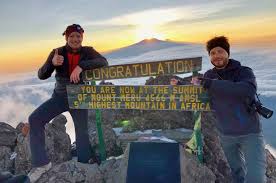
- Accessible Adventure: Enjoy a challenging, non-technical trek that rewards your effort with dramatic crater views, scenic ridgelines, and a true sense of accomplishment.
- Wildlife Encounters: Trekking through Arusha National Park means you’ll likely spot buffalo, giraffe, monkeys, bushbuck, and a vibrant array of birdlife—making Meru a unique blend of mountain and safari.
- Perfect Acclimatization: Many guests use Meru as a warm-up for Kilimanjaro, but it’s also a fantastic standalone adventure for those with limited time or seeking a less-traveled path.
- Convenient Location: With easy access from Moshi and Arusha, Meru offers a big mountain experience with less travel time and logistics, plus spectacular sunrise moments at the summit.
The Climb Experience

Itinerary Highlights
- Day 1: Enter Arusha National Park and trek through lush montane forest to Miriakamba Hut. Wildlife sightings begin right from the start.
- Day 2: Ascend through heath and moorland to Saddle Hut, with changing scenery and increasing altitude.
- Day 3: Early morning summit push to the crater rim for a sunrise panorama, then descend to Miriakamba or Momella Gate for your return.
- Optional Day 4: Add an extra day for acclimatization or a relaxed descent with a picnic at Momella Lakes.
What to Expect
- Each day brings new landscapes: moss-draped forests, open moorlands, and rocky alpine zones.
- Wildlife is ever-present, from buffalo and giraffe to playful monkeys and colorful birds.
- The summit sunrise is a truly cinematic moment—watch the clouds part and Kilimanjaro’s silhouette appear on the horizon.
Practical Information

Permits & Guides
- All climbs require permits from Arusha National Park and must be led by licensed, experienced guides. We include all fees, park entry, and guide/porter costs in your package for a seamless experience.
Ethical Standards
- We are committed to fair wages, proper equipment, and porter welfare. Our guides are trained in safety and mountain protocols, ensuring your trek is both safe and responsible.
Fitness & Safety
- Climbers should be comfortable with long days of hiking and some scrambling. Most itineraries are 3–4 days, with a 4-day option for better acclimatization and enjoyment.
- Altitude sickness is possible, though less common than on Kilimanjaro. Our guides carry oxygen and first-aid kits, and we require travel insurance that covers mountain evacuation.
Best Time to Climb

- The best months for climbing Mount Meru are June–October and December–February, when the weather is driest and summit views are clearest. Shoulder months are possible, but expect more variable conditions and occasional slippery trails.
What to Pack

- We recommend layered clothing (moisture-wicking base, insulating mid-layers, waterproof shell), a warm summit jacket, thermal hat and gloves, sturdy trekking boots, gaiters, headlamp with spare batteries, water bottles or hydration system, high-energy snacks, and a sleeping bag rated to at least −5°C to −10°C. Binoculars and a camera with a telephoto lens are great for wildlife viewing on the lower slopes.
Enhance Your Experience

Comfort & Memories
- We offer pre-trek briefings and comfortable hotels in Moshi, plus post-trek spa and massage packages to help you recover and celebrate your achievement.
Photography
- Capture your summit moment with a professional photographer or a guide trained in photography. Framed certificates and high-resolution photo packages are available as add-ons.
Combine with Safari & Culture
- Ask us about combining your Meru climb with a safari in Arusha National Park, a Kilimanjaro trek, or a visit to a local coffee farm for a truly immersive Tanzanian experience.
Nature & Birding
- Enjoy guided birding walks and naturalist-led tours on the lower slopes—Arusha National Park is a paradise for birdwatchers and nature lovers.
Conservation & Community

Protecting Nature
- Your trek supports Arusha National Park’s conservation efforts. Park fees help fund habitat protection and anti-poaching initiatives, while guided treks contribute to ongoing stewardship.
Supporting Communities
- We are proud to employ local guides, porters, and staff, and to support community projects in education, water, and crafts. Traveling with us means giving back to the people of Tanzania.
Responsible Trekking
- We follow Leave No Trace principles, enforce strict waste management, and ensure porter welfare. Clear tipping guidelines are provided, and your support directly benefits our dedicated team.
Mount Meru Photo Gallery


Mount Meru Map
This map shows the Mount Meru area.